Introduction: The Hoax That Caught the Internet Off‑Guard
Theodore Barrett’s Wife

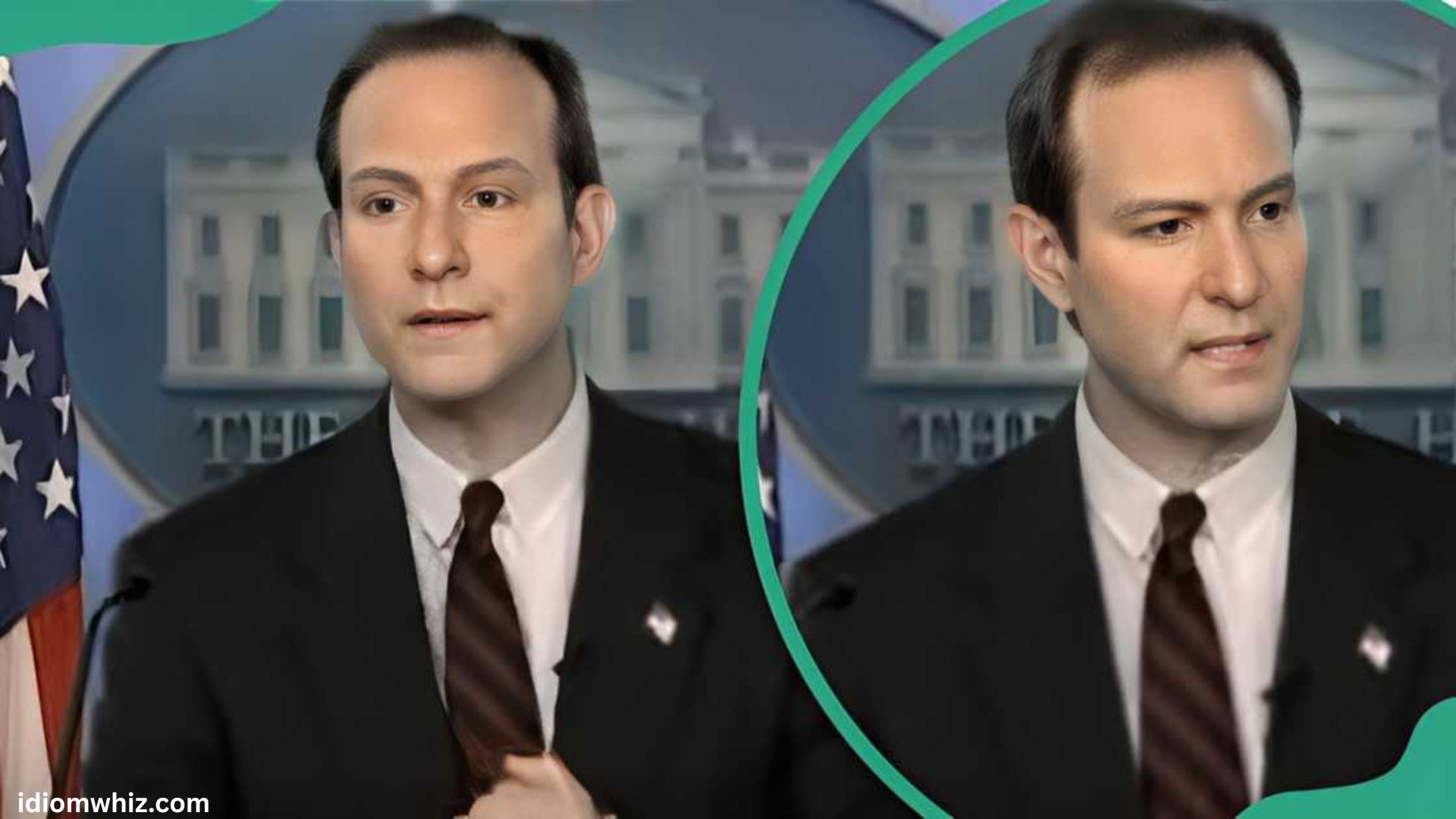
You’ve probably seen it: a grainy press‑conference video of a suited man quietly telling reporters his wife just died in a car accident then calmly shifting to a press agenda. That man is introduced as Theodore Barrett. The clip spread like wildfire. Millions believed it was real. But behind the shocking facade lies satire. This post digs into the full story: who Theodore Barrett is, why this car accident hoax fooled so many, and what it tells us about misinformation online.
Who Is Theodore Barrett?
Theodore Barrett or the “Deputy White House Press Secretary Theodore Barrett” isn’t real. The character comes from The Onion a satire site famous for fake news sketches.
In the viral video, “Barrett” addresses the media as though he’s a real government official at a White House briefing. The set, the tone, the lighting all look believable. That realism helped the hoax take off.
But there’s no record of any White House official ever named Theodore Barrett. Historical records from 2008–2009 the time when this video first appeared list real press secretaries and deputies such as Dana Perino or Tony Fratto. Barrett never appears.
Bottom line: Theodore Barrett is a fictional character.
The Viral Video: Where the Fake Car Accident Story Started
The clip that launched the hoax shows Barrett approaching a podium, offering a brief apology, and stating: “My wife just died.” Instantly shocking. He then proceeds to give what looks like an official briefing referencing presidential schedule, national issues, completely bypassing normal grief.
That bizarre shift tragedy to policy prompted many viewers to share the video out of horror, outrage, or disbelief. Some commented “this can’t be real.” Others asked: “Is this the White House? Did this really happen?” That confusion helped spread the clip further.
Because the video looked like real broadcast, people accepted it at face value especially when social platforms stripped away any clear watermark or context linking it to The Onion.
Who Is Theodore Barrett’s Wife And What About the “Accident”?
In the video’s story, Barrett’s wife is named Janie Barrett. He claims she died in a serious car accident. He also mentions two children Bobby Barrett and Megan Barrett who were reportedly injured in the crash. That detail made the story more emotional and more believable.
But none of those people exist. Janie, Bobby, Megan all fictional. The car accident, the grief, the injuries all part of the satirical narrative.
There’s no official or credible source reporting a Janie Barrett crash or the Barrett children being hurt. Because the story originates from a satire video, there’s no real accident date, no obituary, no medical records nothing concrete.
So the “wife,” the “kids,” and the “accident” are all imaginative constructs.
Why People Thought the Story Was Real: Forces Behind the Hoax
The haunting but calm tone, the realistic setting, and the shock value created powerful illusions. But there’s more behind why this hoax worked so well:
- Real-looking production the backdrop, podium, seal, lighting all mimic real government press rooms. That credibility goes a long way.
- Emotional shock + disbelief a top official mourning a spouse then switching to politics feels surreal. That tension triggers strong reactions and impulses to share.
- Lack of context when shared on social media, people often clip the video without the original label “satire from The Onion.” That makes it seem real.
- Confirmation bias & expectations many have cynical views of politicians. A “cold bureaucrat” can match their expectations, so they don’t question it.
In short: credible visuals, emotional punch, and missing context a perfect storm for misinformation to thrive.
Timeline of the Hoax: From Satire to Viral Reality
Here’s a quick look at how the Theodore Barrett hoax unfolded over time:
| Year / Period | What Happened |
|---|---|
| ~2008–2009 | The video published by The Onion as satire. |
| Over next years | Clip resurfaces occasionally; some social-shares remain labeled “satire,” preventing confusion. |
| 2010s | As social platforms evolve (YouTube, Facebook, later TikTok), the video gets recirculated without context. |
| 2020s | Misinformation resurges: search terms like “theodore barrett press secretary real” or “bobby and megan car accident” appear. |
| 2025 | Still widely shared some believe ‘Janie’ died recently or that “Bobby and Megan Barrett” are real victims. |
That timeline shows how a decade-old satire can keep haunting the internet especially when people keep missing the joke.
Fact-Checking the Claims: What’s Real, What’s Not
Let’s separate fiction from fact.
✅ Reality
- The video originates from The Onion a satirical outlet.
- Theodore Barrett doesn’t exist in any real White House roster.
- His wife Janie, and their “kids” Bobby and Megan, are fictional no records support their existence.
❌ Fiction / False Claims
| Common Claim | Reality |
|---|---|
| “Theodore Barrett is a real Deputy White House Press Secretary.” | False. No such person ever held that title. |
| “Janie Barrett died in a real car accident.” | Fiction; no credible source or record exists. |
| “Bobby and Megan Barrett were real children injured in the crash.” | Totally made up. Only part of the satirical narrative. |
No credible news outlet has ever reported a Barrett family tragedy. That alone should signal alarm to anyone researching the claim.
The Actors Behind the Characters
The video shows a man who appears to be a serious government spokesman. In truth, he’s an actor hired by The Onion to perform a satirical sketch.
The Onion rarely reveals actors’ real names for these skits; in this case, the performer remains uncredited publicly. That ambiguity helped fuel confusion: people assumed he must be real if no denial exists.
So when you watch the clip with the flag, podium, grave tone you’re seeing a performance. Nothing more.
Understanding The Onion’s Style and Intent
Why make a sketch like this? Because satire often holds up a mirror to society. The Onion crafted the Barrett video to mock political coldness, hypocrisy, or detachment the idea that government officials treat public duty as machine-like, unaffected by human suffering.
The absurd scenario grieving husband turned policy-robot in seconds reveals how satire can critique public institutions and media coverage. The shock value grabs attention, imaginations, and spawns conversation.
But satire only works when its context remains clear. Once the clip sheds that context, people treat it like real news instead of a parody.
How the Story Fooled Millions: A Study in Digital Misinformation

The Theodore Barrett saga stands as a powerful example of how easy it is to spread misinformation today. Here are some of the forces at work:
- Emotional resonance tragedy, grief, innocence lost. People feel this deeply and react quickly.
- High-quality production launch-pad for credibility. The visuals look real enough to bypass skepticism.
- Selective sharing remove the label “satire,” repost on new platforms, and the meaning shifts.
- Algorithmic amplification shocking, emotionally charged content spreads fast on social networks.
- Confirmation bias many already distrust politicians; they’d rather believe satire presenting them as cold than challenge the source.
Every factor stacked up to turn a 2008 parody into a decades-long rumor.
Social Media, Search Trends & The Role of “Bobby and Megan Car Accident”
Today, when anyone searches phrases like “bobby and megan car accident,” “theodore barrett press secretary real,” “theodore barrett white house,” or “theodore barrett wife accident,” search engines dredge up saturated pages repeating the hoax as if it were real.
On platforms like TikTok or YouTube Shorts, cropped clips without credits fuel the misconception. Comments often show genuine belief in the tragedy. That fuels views and more shares.
This feedback loop reinforces and resurrects the myth.
Public Confusion: Real Comments, Real Belief
Browsing comment sections is telling. People express shock, sadness, anger. Some even write tributes. Others ask what’s wrong with the media for sharing such “callous” behavior. Those reactions show just how convincing the hoax became.
One comment on a widely shared copy read:
“The amount of times I’ve seen ‘alphas’ post this video saying that this is a true man is insane. I’m so glad this isn’t real at least.”
That mix of confusion and relief demonstrates the fragile boundary between satire and perceived reality in today’s media space.
How to Spot Satire and Avoid Falling For Hoaxes
If this story teaches anything, it’s that we all need a healthy dose of media skepticism. Here’s a simple checklist to spot satire or at least question suspicious content:
- Check the source. If you can trace the clip back to a satire outlet like The Onion, treat it as fiction.
- Look for contextual clues. Are there disclaimers? Watermarks? The original upload date?
- Search for official confirmation. For big tragedies (accidents, public-figure statements), real media outlets report them. If none do that’s a red flag.
- Use reverse image/video search. Frames from the clip may trace back to older postings or satire sites.
- Be wary of shock value. Scenes designed to trigger strong emotion can override rational thinking. Suspense and shock make content go viral but don’t make it true.
Applying even a few of these steps can cut down the chance you’ll mistake satire for fact.
Conclusion: Clearing the Air About a Viral Myth
Theodore Barrett his wife Janie, his children Bobby and Megan, the tragic car accident it’s all fiction. The clip that fooled millions is a piece of satire from The Onion, not a real White House briefing.
Yet the confusion persists, resurfaces regularly, and fuels misinformation. That’s not just about one video. It reflects a deeper challenge in our digital age: the line between satire and news is often blurred.
If you see that clip again or a claim about a “real” Theodore Barrett car accident you’ll know how to check it. Spoiler: the answer’s almost always the same: not real.
Stay curious. Stay skeptical. And maybe don’t share that next shocking clip until you check the source.
FAQs
Is Theodore Barrett a real person?
No. He is a fictional character created by The Onion for a satirical sketch. He never held any official position at the White House.
Did Theodore Barrett’s wife really die?
No. The woman named Janie Barrett in the video is fictional. Her “death” was part of the satire.
Are Bobby and Megan Barrett real children who suffered a car accident?
No. Bobby and Megan are fictional names used in the sketch. There’s no record of any such accident or victims.
Who created the video?
The video was produced by The Onion, a satirical news website known for parodying media and politics.
Why did people believe the video was real?
Because of realistic production, emotional shock value, missing context when shared, and preconceived cynicism toward political figures.