
Margaret Qualley
Hollywood can make small changes look huge. A new role, a different dress, or a fresh workout plan can send fans into a spiral of curiosity. This long, clear article breaks down Margaret Qualley’s butt transformation in simple English. It explains what likely changed, why it looks different now, and what you can realistically learn from her journey.
This piece avoids wild guesses and exaggeration. Instead, it focuses on real factors such as dance training, age, fitness habits, career demands, and visual presentation. It also answers the questions people search for most, including whether the change was natural, how long it took, and what it says about modern beauty standards.
Quick snapshot: who is Margaret Qualley?

Sarah Margaret Qualley was born on October 23, 1994, making her 31 years old as of 2026. She grew up between Montana and North Carolina and trained seriously as a dancer from a young age. Before acting, she worked as a runway model. She later gained recognition through major roles in The Leftovers, Once Upon a Time in Hollywood, Maid, and other film projects.
Her background in ballet and movement matters because it shaped how her body responds to training. Long before fame, her posture, muscle control, and balance were already developed through years of discipline.
Why people keep talking about margaret qualley butt and margaret qualley body
People notice change quickly, especially in celebrities. For Margaret Qualley, the attention increased when she began appearing in roles and outfits that emphasized her lower body more than before.
Several things happened at once:
- Her acting roles became more physically demanding
- Fashion styling shifted toward fitted silhouettes
- Red carpet looks highlighted her hips and glutes
Because of that, search terms like margaret qualley ass, margaret qualley butt, and margaret qualley body became popular. People weren’t just curious. They wanted an explanation that made sense.
Career timeline and visible body changes
| Year | Age | Career phase | What people noticed |
|---|---|---|---|
| 2011 | 16 | Runway modeling | Very lean, dancer-like frame |
| 2014–2017 | 20–23 | The Leftovers | Athletic but understated physique |
| 2019 | 25 | Film roles and fashion | Slightly stronger lower-body tone |
| 2021 | 27 | Maid | Functional strength became visible |
| 2023–2026 | 29–31 | Films and couture | Clear glute definition and shape |
This table shows something important. The change didn’t happen suddenly. It developed slowly across more than a decade.
Early life and dance training shaped her body
Margaret Qualley trained in classical ballet throughout her teens. She attended the North Carolina School of the Arts and participated in elite ballet programs. Ballet demands long hours of repetitive movement, balance work, and controlled strength.
Dance builds:
- Strong glute engagement
- Tight hip control
- Lean muscle rather than bulk
- Excellent posture
That foundation explains why Margaret Qualley’s body looks controlled and athletic. When dancers later add strength training, their muscles respond quickly and cleanly.
How age and training change the body naturally
Bodies evolve with time. In the late twenties and early thirties, muscle retention improves if training is consistent. Many people assume metabolism slows and results stop. In reality, targeted strength work often becomes more effective.
Margaret moved from pure dance into acting roles that required stamina and stability. As strength training entered the picture, her glutes developed more visible shape. This process is gradual and natural.
Margaret Qualley butt transformation explained simply
Fans noticed three main changes:
- Firmer glute shape
- Better hip stability when she moves
- Outfits that highlight her lower body more clearly
These changes line up with what happens when someone with a dance background adds resistance training and keeps moving consistently.
Nothing about the timeline suggests a sudden or artificial shift.
Was it natural or role-driven?
There is no credible evidence of cosmetic surgery. What is visible is a gradual change tied to work.
Acting roles often require:
- Long shooting days
- Repeated movement
- Physical control under stress
Training for those demands builds functional muscle. That kind of muscle shows up on screen and on the red carpet.
Fitness habits likely behind her physique
Margaret has never released a public workout plan, but her movement points to a realistic mix of training styles.
Common glute-building exercises used by dancers and actors include:
- Hip thrusts and glute bridges
- Lunges and split squats
- Romanian deadlifts
- Step-ups and single-leg work
- Dance conditioning and mobility drills
These exercises improve shape without creating excessive bulk.
Diet and recovery play a quiet role
Muscle tone depends on more than exercise.
Key lifestyle factors likely include:
- Balanced protein intake
- Whole, minimally processed foods
- Adequate hydration
- Consistent sleep and recovery
Actors often focus on sustainability rather than extreme dieting. That approach allows the body to change steadily without burnout.
How styling and cameras change what you see
Visual presentation matters more than people realize.
Professional stylists use:
- High-waisted tailoring to lift the hips
- Seams and cuts that shape curves
- Lighting that creates muscle shadows
- Camera angles that exaggerate shape
A well-designed outfit can make Margaret Qualley’s butt look dramatically different from one appearance to the next.
Plastic surgery rumors vs visible reality
When celebrities change physically, rumors spread fast. However, natural changes usually show:
- Gradual progress over years
- Muscle that contracts naturally during movement
- Variations depending on outfit and posture
Surgical changes tend to appear suddenly and stay visually consistent. Margaret’s transformation matches the first pattern.
Industry trends and comparison
Hollywood has shifted toward athletic, functional bodies. Many actresses now train for strength and movement rather than extreme thinness.
Margaret’s transformation fits this trend. She didn’t abandon her dancer build. She refined it to match modern roles and fashion.
Public reaction and body image conversation
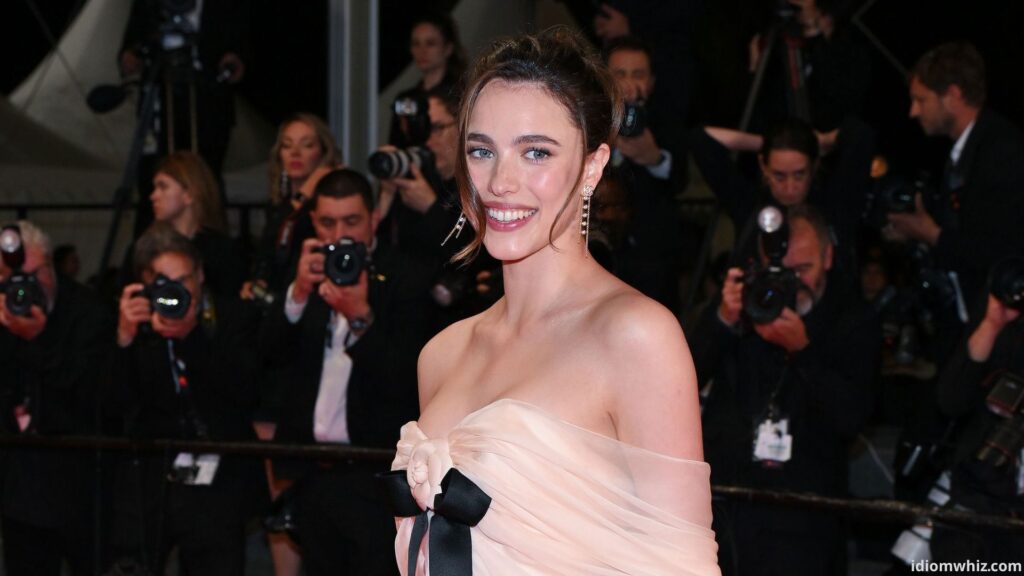
Online reactions generally fall into three groups:
- Praise for her athletic appearance
- Speculation about how the change happened
- Discussion about unrealistic comparisons
These conversations say more about cultural expectations than about her body itself.
What women can realistically learn from her transformation
The lesson isn’t to copy her body. It’s to understand the process.
Key takeaways:
- Movement-based fitness builds sustainable strength
- Consistency matters more than intensity
- Muscle tone takes time
- Genetics influence results
Her transformation reflects patience, not shortcuts.
A brief case study: why Maid mattered physically
Maid required long emotional scenes and physical endurance. Training for that role likely focused on:
- Core stability
- Hip strength
- Postural control
Those demands naturally affect the glutes and lower body over time.
Natural change vs surgical change comparison
| Feature | Natural change | Surgical change |
|---|---|---|
| Timeline | Gradual | Sudden |
| Muscle behavior | Contracts naturally | Often static |
| Shape variation | Changes with movement | More consistent |
| Recovery signs | None visible | Sometimes visible |
Margaret Qualley’s evolution aligns with natural change.
Frequently asked questions
Did Margaret Qualley get surgery?
There is no confirmed evidence to support that claim.
Is margaret qualley ass natural?
Based on visible timelines and training background, it appears to be natural.
Is the transformation permanent?
Muscle tone remains as long as training and movement continue.
Does she still dance?
While she no longer pursues ballet professionally, dance remains part of her movement style.
Final thoughts
Margaret Qualley’s butt transformation didn’t happen overnight. It developed through years of movement, strength training, career demands, and professional styling.
What looks astonishing at first makes sense when you step back and examine the timeline. Her body reflects purpose, consistency, and adaptation, not extremes or shortcuts.
That’s what makes the transformation believable, sustainable, and worth understanding.